Problem
- Systemic Rigidity and Cognitive Overload: Fragmented UI elements and unrefined visual signals in the legacy system hindered rapid status recognition and effective decision-making.
- Operational Inefficiency under Structural Constraints: Within a framework where modifying the core architecture was restricted, functional-only components weakened the overall system's professional credibility and aesthetic maturity.
Insight
- Micro-Precision as a Catalyst for Macro-Trust: In constrained design environments, the logical consistency and precision of component-level details serve as the primary drivers of system stability and user trust.
- Judgment-Centric Visual Language: Rapid data processing in sales management requires a "visual order" that prioritizes information hierarchy and status symbolism over mere decorative elements.
Action
- Component-Driven Efficiency: Re-engineered text-heavy status grids into an intuitive toggle and metaphor-based icon system to minimize cognitive friction and streamline status monitoring.
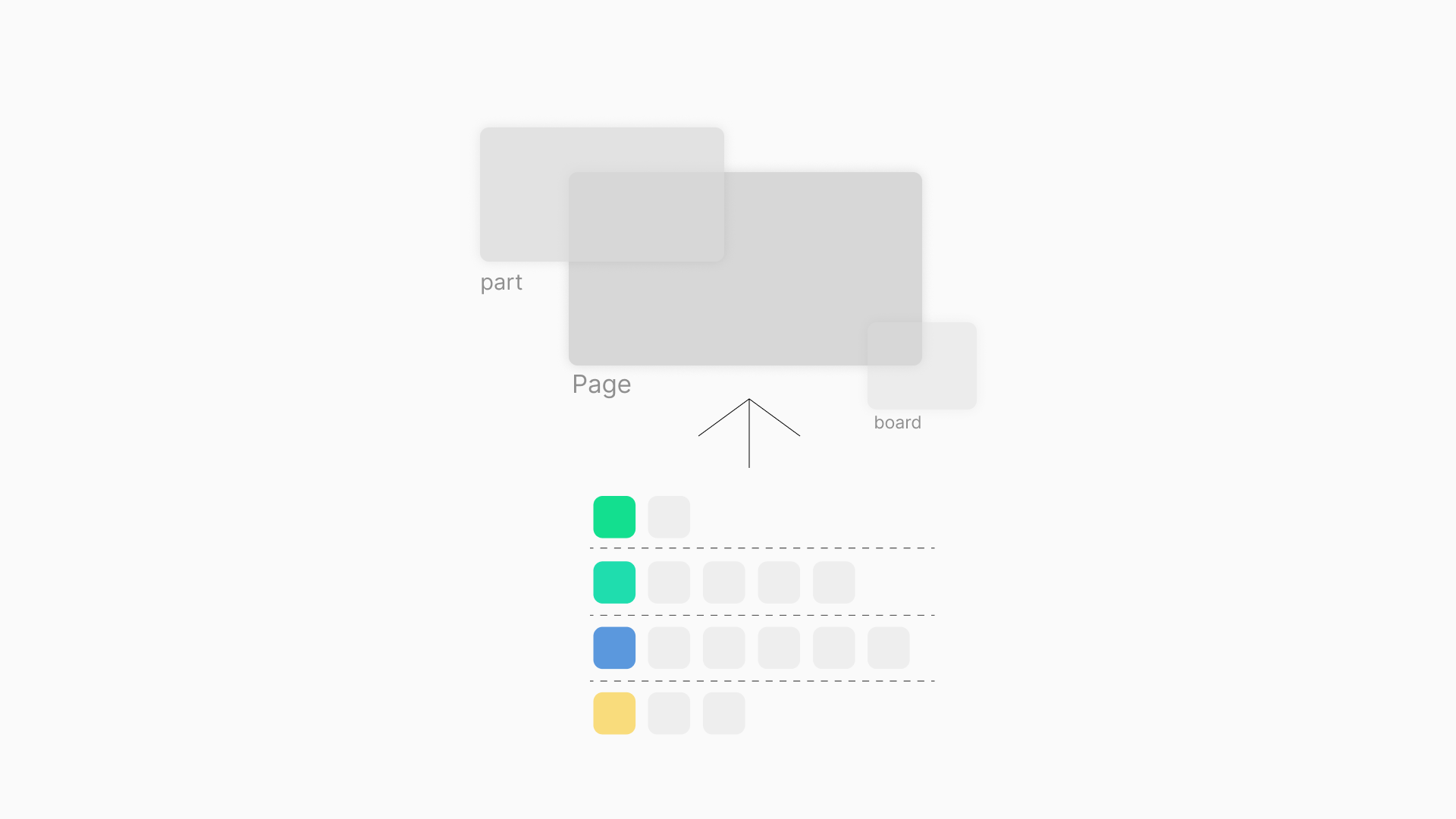
- Establishing an Integrated Design Framework: Materialized precise visual designs for purely functional screens—such as Settings and Print—by aligning them with the established PAGE > PART > BOARD hierarchy. Developed a versatile Progressive Bar component set engineered to encompass all potential variable scenarios.
- Strategic Stakeholder Alignment: Developed high-fidelity proposals for key pages and established a design logic focused on business efficiency, securing executive consensus and ensuring seamless implementation.


Outcome
- Aesthetic Competitiveness for Professional Tools: Achieved a "judgment-centric, high-fidelity visual experience" that differentiates the product through minimalist principles and a rigorous grid system.
- Enhanced Information Processing: Demonstrated a tangible increase in data scanning speed and status recognition clarity by eliminating visual noise and standardizing component behaviors.
Designer’s Comment
Design excellence is found in the precision of solving complex problems within rigid constraints. This project demonstrates how a refined component logic can restore systemic stability and transform functional utility into an aesthetic asset.